Why Every Business Leader Needs an AI Ethics Reality Check Right Now
We're past the point of asking whether AI ethics matters. Worker access to AI has grown significantly in recent years, and expectations for scale are high, with many companies moving multiple projects into production. As AI moves from experimentation to deployment, governance is the difference between scaling successfully and stalling out.
The question now is simpler and more urgent: Can you afford to get this wrong?
The Stakes Are Already Material
Improving productivity and efficiency top the list of benefits achieved from enterprise AI adoption so far, with two-thirds (66%) of organizations reporting gains. But every deployment creates new liabilities. Consider the COMPAS criminal risk assessment algorithm, used across 46 states to influence sentencing decisions. Black defendants were still 77 percent more likely to be pegged as at higher risk of committing a future violent crime and 45 percent more likely to be predicted to commit a future crime of any kind.
This isn't ancient history. In 2024, an analysis of the practical impact of COMPAS in Broward County found that its use led to a reduced rate of confinement across demographic groups, but that it also exacerbated the differences between racial groups. When algorithmic bias reaches the criminal justice system, we're not talking about theoretical harm anymore.
The Deepfake Explosion Changes Everything
Meanwhile, AI-powered deepfakes are increasingly involved in high-impact corporate impersonation attacks. Deepfake material will significantly impact public and jury confidence in the authenticity of digital evidence, and could potentially lead to increased prosecution costs and cases being dropped or lost.
Individual incidents involving deepfakes have reportedly resulted in significant financial losses, according to security research. Security experts warn that deepfakes are evolving beyond internet curiosities into strategic tools capable of manipulating elections, defrauding enterprises, destroying reputations, and destabilizing digital trust systems.
When your legal team has to question whether video evidence is real, we've crossed into territory where traditional risk management breaks down.
The Growth Driver You're Missing
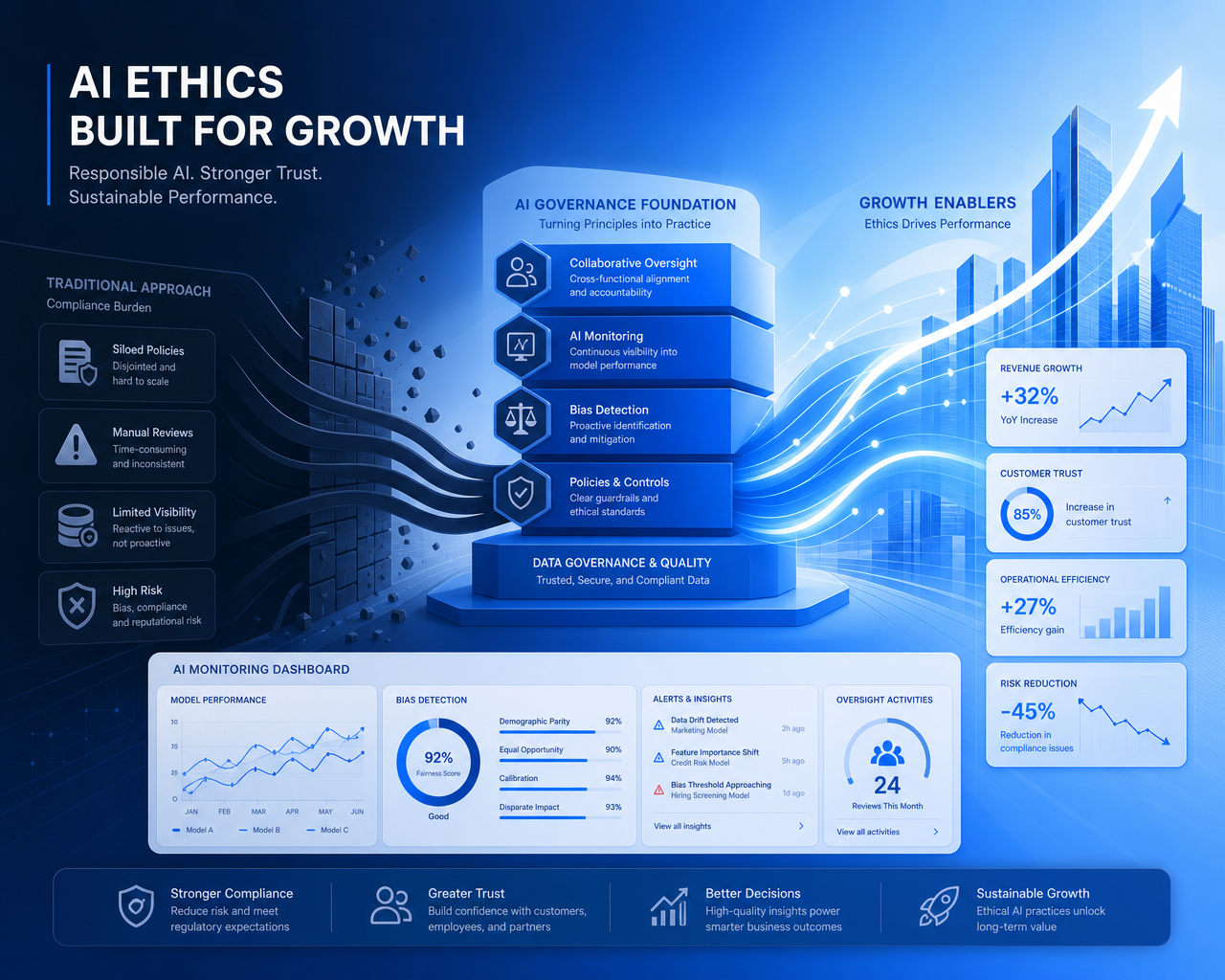
Here's a shift some leaders haven't fully considered: Companies that build ethics into their AI strategy gain a dual advantage: They mitigate risks while building trust as a growth engine. Ethical AI is shifting from a cost center to a strategic asset.
By standing behind ethical AI governance, CISOs help their organisations unlock the advantages of new technology while managing the risks sensibly. This makes digital trust a real competitive advantage in sectors where reputation matters.
Consider how some research suggests that enterprises where senior leadership actively shapes AI governance may achieve greater business value than those delegating the work to technical teams alone. This isn't about compliance theater. It's about operational readiness for a world where AI systems make consequential decisions at scale.
The Window Is Closing
Industry experts warn that as AI becomes more embedded in business and government infrastructure over the coming decade, retrofitting ethical standards may become increasingly difficult. A "move fast and fix later" culture may work in consumer tech, but it is dangerous when applied to AI systems that determine creditworthiness or medical treatment. Once these systems are deployed, adding ethics after the fact is slower, costlier and harder to enforce.
Industry estimates suggest the global AI governance market is experiencing rapid growth, reflecting both regulatory pressure and competitive advantage. Organizations that wait may find themselves implementing governance solutions at higher costs while competitors capture first-mover benefits.
What Strategic Restraint Actually Looks Like
Strategic restraint isn't about slowing down AI adoption. It's about building systems that scale responsibly from day one. It's the difference between aspirational principles and repeatable management practice — and it's how leaders make ethics part of AI's ROI, not a bolt-on cost.
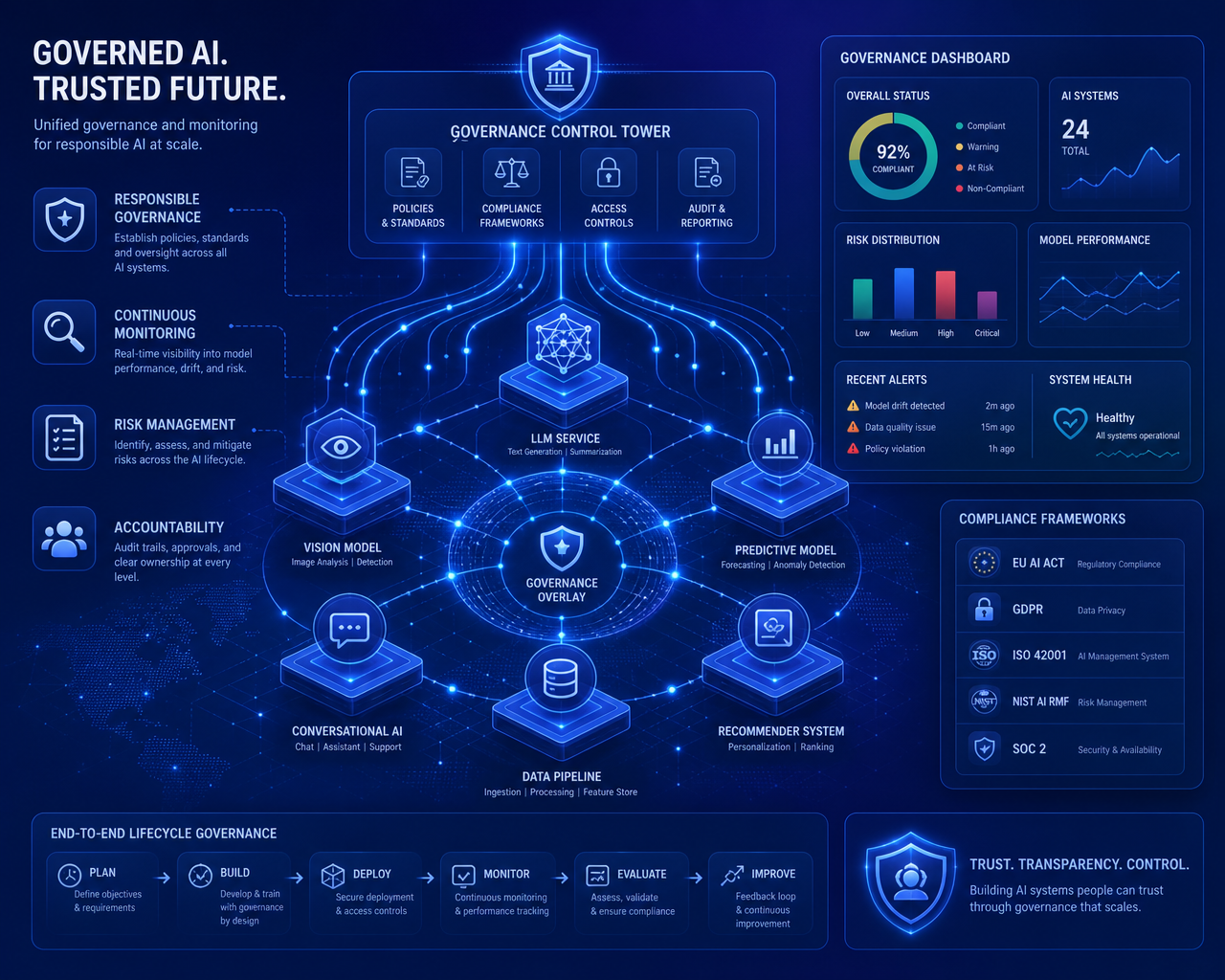
True governance makes oversight everyone's role, embedding it into performance rubrics so that as AI handles more tasks, humans take on active oversight. When your AI systems can explain their decisions, when bias audits are automated, when human oversight is built into the architecture rather than added afterward, you're not constraining innovation. You're enabling it to scale.
The companies that understand this early may be better positioned for the next decade. They're building AI systems that regulators trust, customers believe in, and employees feel comfortable implementing.
The ethics conversation has moved beyond philosophy into operational necessity. While implementing ethical AI governance requires significant investment and ongoing commitment, the potential costs of not addressing these issues systematically continue to grow as AI systems become more prevalent and consequential.
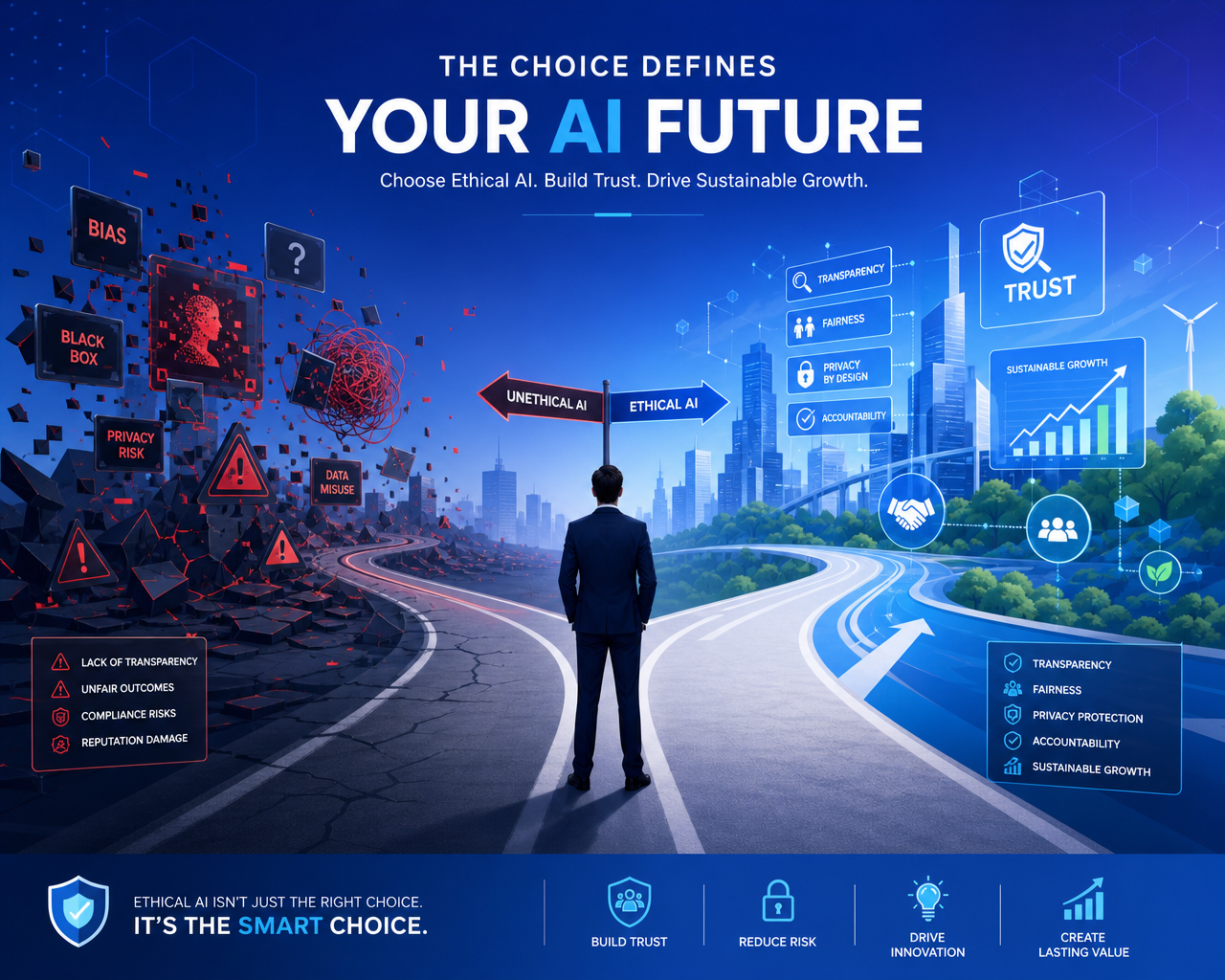
The reality check isn't whether you need AI ethics. It's whether you can afford to treat it as an afterthought while your industry moves ahead without you.
Ready to build AI systems your stakeholders can trust? Learn more about turning ethical frameworks into competitive advantage at selfwritingprogram.com
selfwritingprogram
Navigate AI's moral frontier — together.
Navigate AI's moral frontier — together.
Learn more about selfwritingprogram and get started today.
Visit selfwritingprogram