The $23 Billion AI Governance Platform Boom: What It Tells Us About Trust
The AI Governance Platform Market: What It Tells Us About Trust
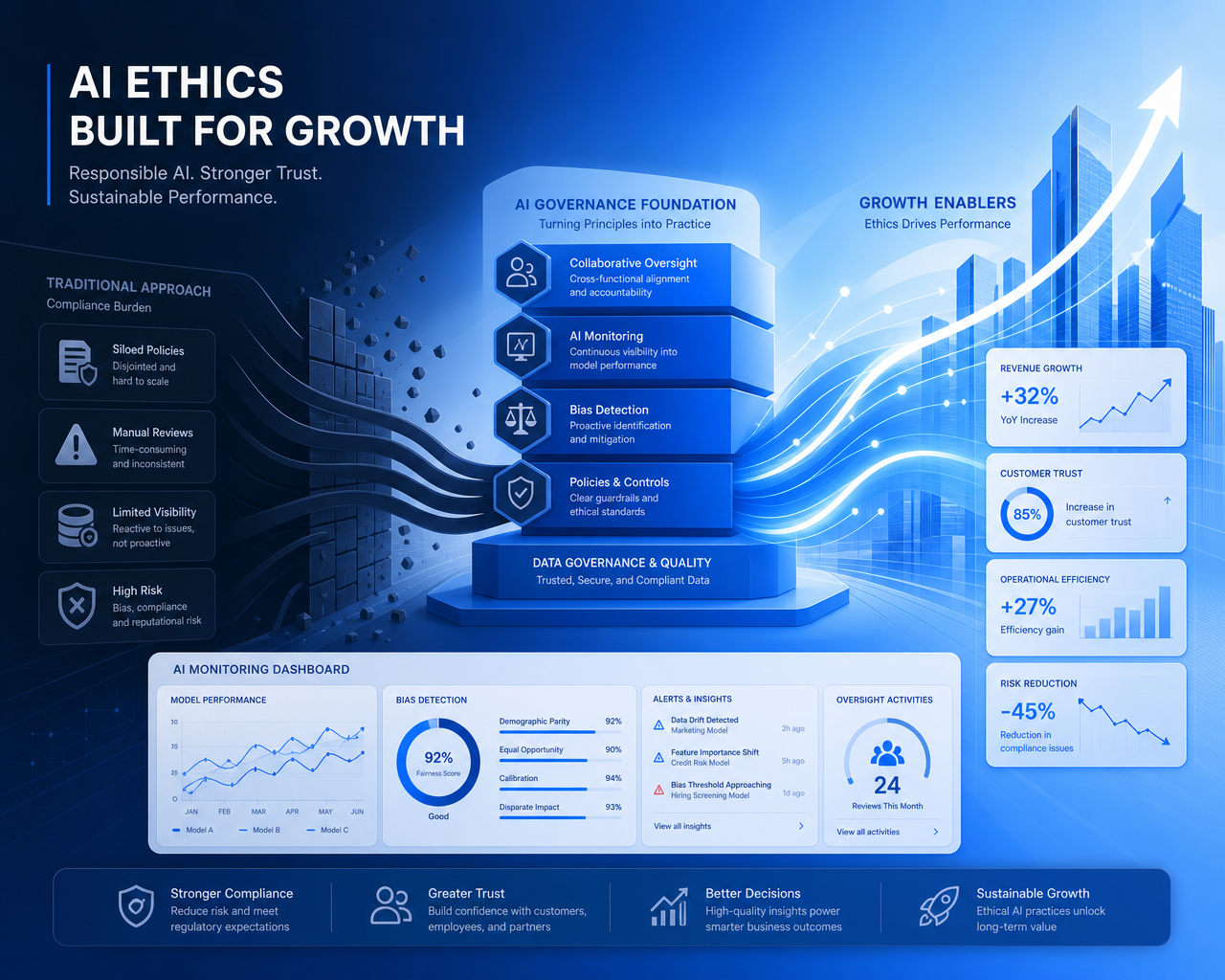
With spending on AI governance expected to reach $492 million in 2026 and surpass $1 billion by 2030, we're witnessing the emergence of an industry built around trust.
This isn't just another software category gaining traction. It represents a shift in how organizations approach AI deployment. This regulatory wave is transforming AI governance platforms from nice-to-have to a critical necessity.
The Numbers Tell a Story
By 2030, fragmented AI regulation will quadruple and extend to 75% of the world's economies, according to market projections.
The AI governance market expected to reach $492 million in 2026 before crossing the billion-dollar threshold by 2030. This projected growth is a direct response to the escalating costs and complexities of managing AI-related risks.
Recent industry research suggests that organizations with established AI governance frameworks may experience better outcomes than those without structured oversight, though the magnitude of this difference varies across implementations.
Platform Launches Signal Market Activity
Three major developments this year illustrate market trends:
SAS AI Navigator: At the core of the updates is SAS AI Navigator, a new software-as-a-service offering currently in private preview that's designed to help enterprises inventory, monitor and govern AI use cases across models, agents and business processes. The platform is intended to address growing concerns about "shadow AI," or tools and models operating outside the information technology organization's oversight.
Credo AI Recognition: Fast Company recognized Credo AI among 720 honorees across 59 sectors worldwide, alongside Google, Open AI, Anthropic, Adidas, and Walmart. The enterprises that govern AI well are the ones positioned to deploy it fastest, with the least risk, and the greatest confidence. That is the case Credo AI has been making for six years. Fast Company's recognition suggests the market has arrived at the same conclusion.
Unity AI Gateway Expansion: According to Unity announcements, the Unity AI Gateway is planned for 2026 for developers who choose to bring AI into their workflow. It will reportedly be the officially supported way to connect third-party AI agents securely with Unity. The Gateway is designed to ensure verified third-party agents can interact with the Editor while enabling Unity assistance with context on a developer's scene, hierarchy, assets, platform targets, and more.
These announcements reflect a common theme: organizations are moving toward more structured AI adoption processes.
Shadow AI: The Hidden Driver
The term "shadow AI" appears frequently in governance discussions. SAS cited research indicating that adoption of large language models and AI agents is outpacing investments in trustworthy AI, while analysts expect a growing number of compliance and security incidents to be tied to unauthorized AI deployments. Gartner recently predicted that more than 40% of enterprises will experience security or compliance incidents linked to shadow AI by 2030.
Shadow AI agents are autonomous tools that your employees deploy without proper IT approval. Untracked AI agents can put your enterprise at data exposure risks, compliance gaps, and license cost waste. Research suggests that a significant portion of employees would likely continue using personal AI accounts even after an organizational ban. Prohibition may drive shadow AI deeper underground rather than eliminating it.
Organizations are finding that visibility-based approaches may be more effective than restrictive policies. One of the most important implications of this research is that visibility is the foundation of control. Every one of those steps assumes that the agent is known, documented, and operating within a defined boundary.
Continuous Monitoring Becomes Standard
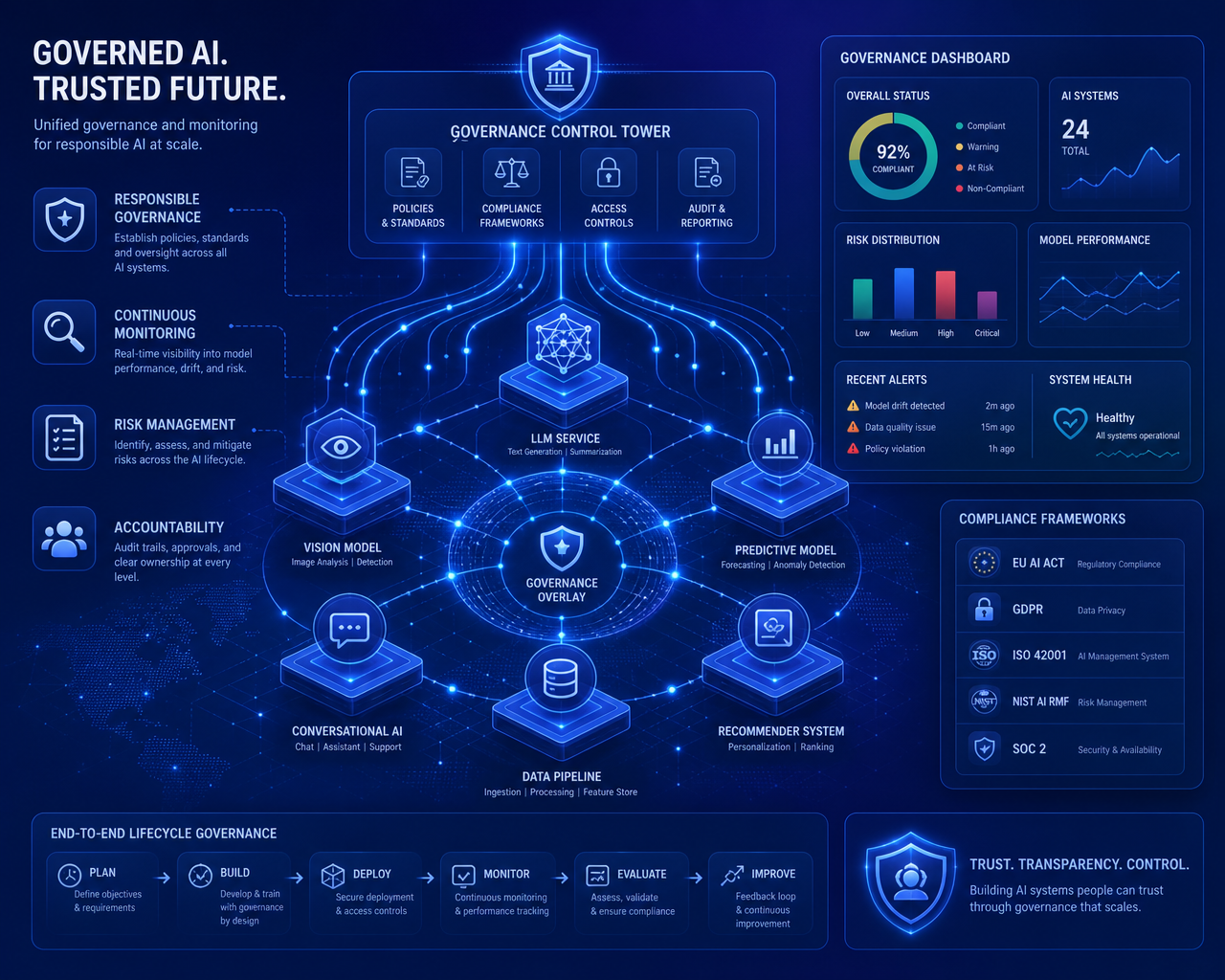
AI governance platforms help organizations stay compliant by enabling automated policy enforcement at runtime, monitoring AI systems for compliance, detecting anomalies, and preventing misuse. This continuous monitoring and policy enforcement at run-time is critical as AI systems increasingly make autonomous decisions and interact with sensitive data.
Industry data indicates enterprises experience significant numbers of data policy violations related to AI usage, though the specific rates vary by organization and implementation.
Implications for Trust and Operations
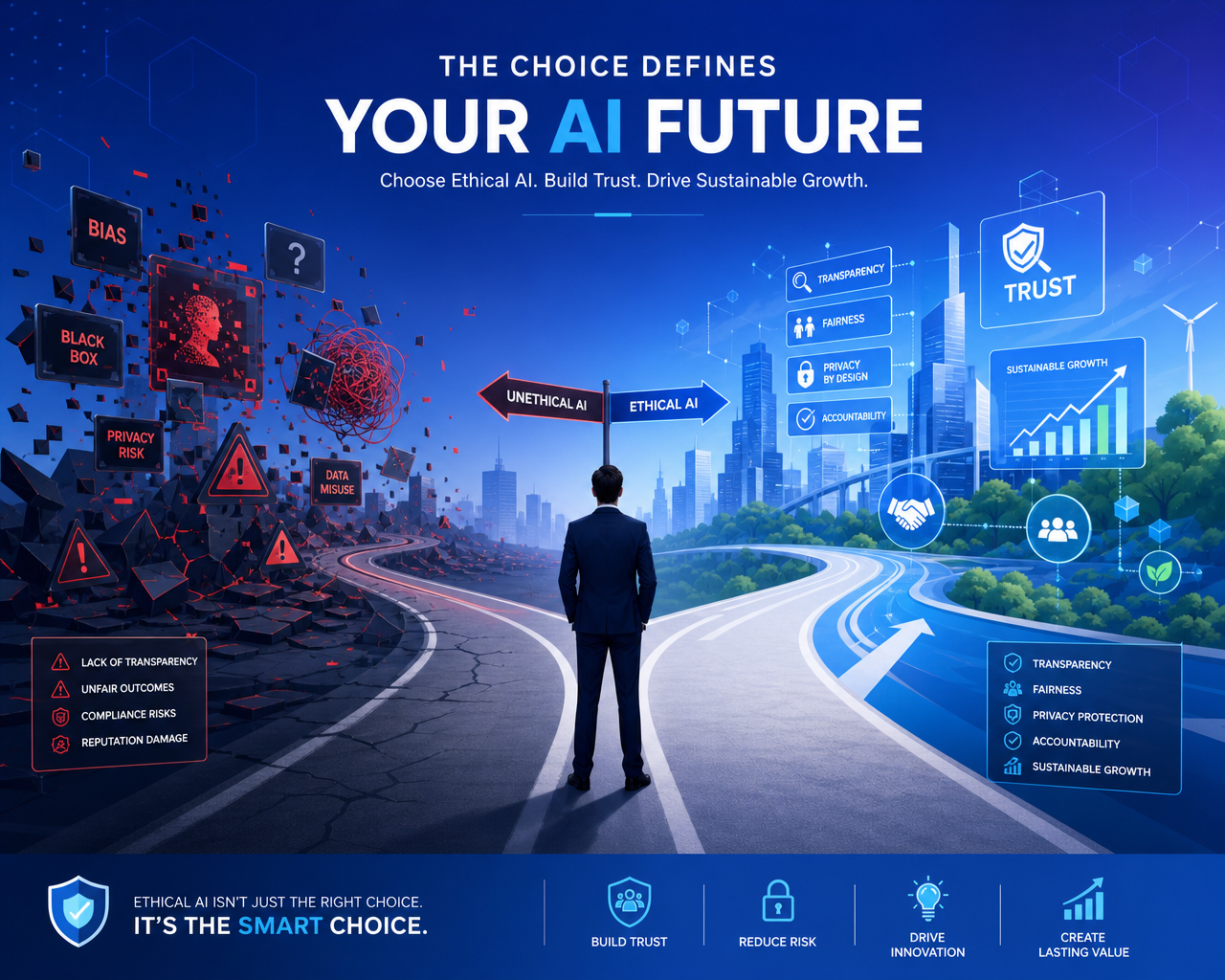
AI governance platforms are now essential for building trust, preventing costly AI incidents, and ensuring responsible, compliant AI deployment at scale.
When organizations invest in governance infrastructure, they signal that AI systems may become central enough to business operations to require governance comparable to financial controls or data security.
The adoption of AI governance platforms is not merely a defensive strategy; it is a proactive move that can deliver significant business value. Industry analysis suggests that effective governance technologies may help reduce regulatory expenses, potentially freeing up valuable resources for innovation and other strategic initiatives.
However, implementing AI governance platforms presents challenges. Organizations must navigate complex integration processes, manage ongoing costs, and ensure their governance frameworks adapt to evolving AI technologies. The platforms require skilled personnel to operate effectively, adding implementation complexity.
Broader Market Implications
As AI agents reshape what's possible, the organizations that can govern them with rigor and confidence will be the ones that lead and reap the economic and business benefits. The governance market growth reflects both compliance needs and potential competitive considerations.
When trust becomes measurable and auditable, it shifts from a corporate value to operational infrastructure. This change affects AI deployment strategies, risk management approaches, and business planning.
Many organizations investing in governance platforms appear to be positioning for expanded AI deployment rather than simply addressing current compliance requirements.
Ready to understand how trust and governance shape the future of AI deployment? Explore the frameworks and community dialogue that help leaders navigate AI's moral and practical complexities.

selfwritingprogram
Navigate AI's moral frontier — together.
Navigate AI's moral frontier — together.
Learn more about selfwritingprogram and get started today.
Visit selfwritingprogram