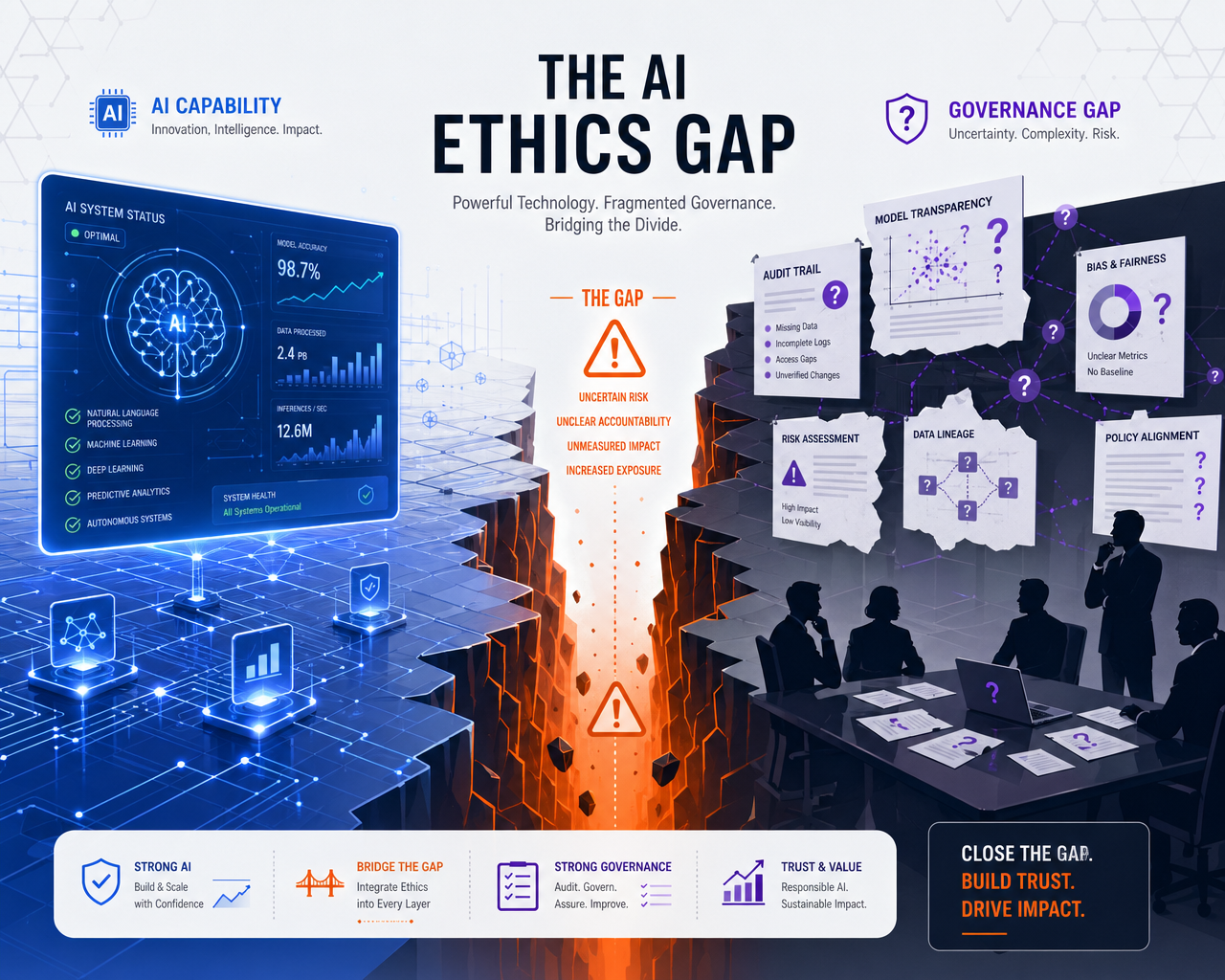
When Machines Write Human Stories: The New Ethics of AI Creativity
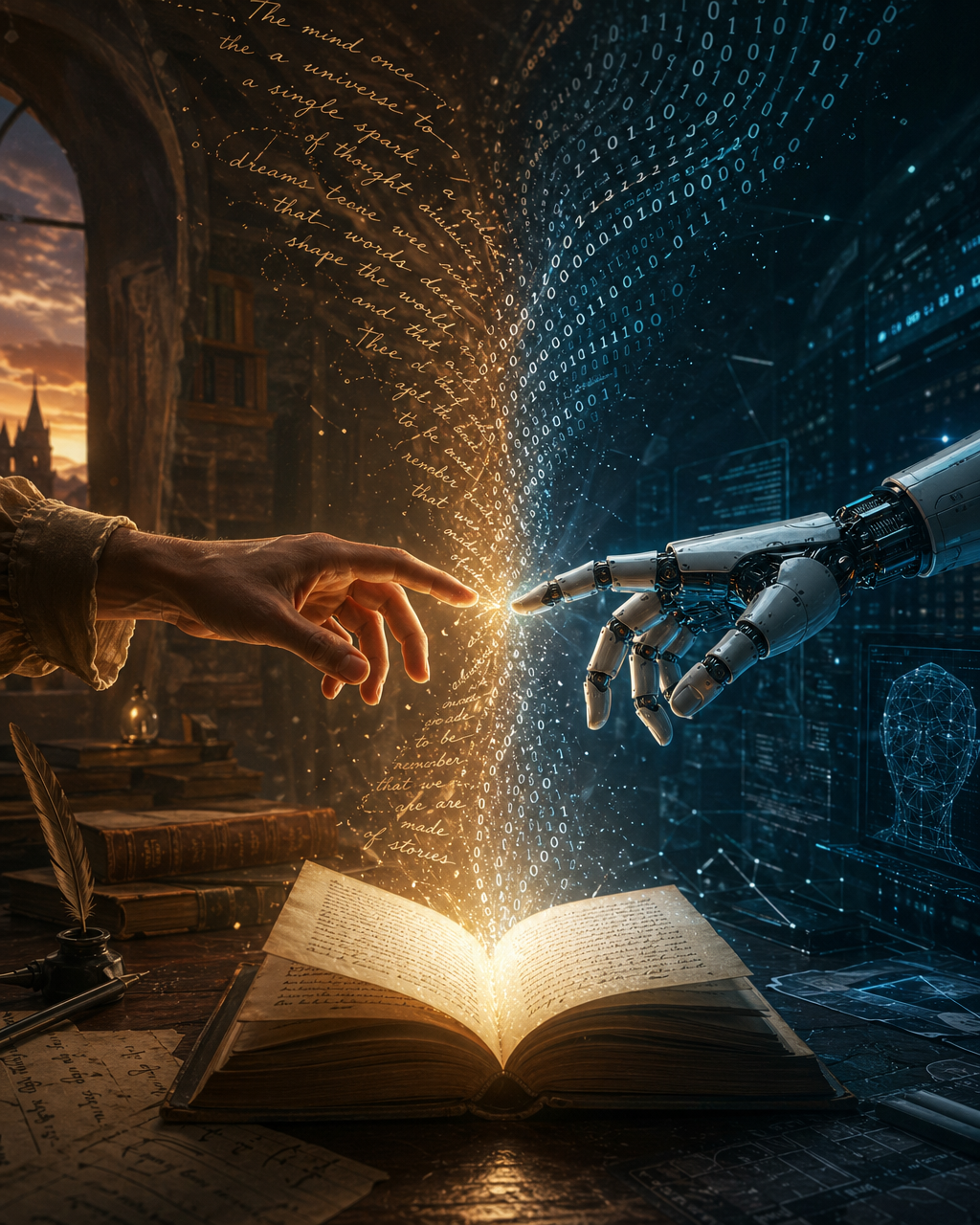
When Machines Write Human Stories: The New Ethics of AI Creativity
The moment you realize a machine has written a story about what it means to be human, everything changes. This isn't just another tech disruption. The rapid advancement of artificial intelligence (AI) has significantly transformed the landscape of literary production, challenging traditional notions of creativity and authorship. Generative AI tools, particularly large language models such as ChatGPT, are capable of producing a wide range of literary outputs, including poetry, fiction, and scripts, with a high degree of fluency and stylistic adaptability.
We've reached a peculiar crossroads where algorithms don't just predict human behavior—they narrate it. When AI generates stories about human-AI relationships, it forces us to confront questions we've never had to ask before: Can authenticity emerge from calculation? What happens to creativity when machines join the conversation?
The Collapse of Creative Certainties
When texts are produced by machine systems without consciousness or intentionality, authorship may no longer reside solely in a human agent but instead emerge from the interaction between algorithms, training data, and user inputs. This isn't just academic theorizing. It's happening right now in publishing houses, writer's rooms, and content platforms across the globe.
AI-generated content is increasingly appearing across publishing platforms. Reports suggest Amazon's Kindle Direct Publishing has implemented measures to identify AI-generated books following the release of GPT-4 in 2023. Many in the industry report being surprised by the rapid pace of this transformation.
The traditional model of creativity—solitary genius producing original work from lived experience—is giving way to something more complex. What AI can do is participate in creative processes in ways that are genuinely generative and that challenge our inherited frameworks for thinking about creativity, originality, and authorial agency. The most productive framework for understanding algorithmic authorship is collaborative and distributed: AI expands the generative possibilities available to human writers while humans retain responsibility for selection, refinement, interpretation, and ethical accountability.
The Human Question in AI Stories
Here's where it gets interesting. When AI writes about human-AI relationships, it's creating narratives about its own existence without understanding what that existence means. AI systems are trained on what already exists. They learn from patterns: what has been written, what has been published, what has been successful enough to be included in their datasets. This creates a subtle bias toward the familiar. Even when generating "new" stories, AI tends to gravitate toward established tropes, recognizable structures, and dominant cultural narratives.
The ethical implications run deeper than most realize. These systems aren't just mimicking human creativity—they're shaping how we think about our relationship with technology. If AI-generated content becomes widespread, it may reinforce existing norms rather than challenge them. Marginal voices—already underrepresented—risk being further diluted, their uniqueness averaged out by systems optimized for generalization.
Some observers note growing concerns about authenticity in written work—not only in online writing communities and social media platforms, but across search results, media, academic texts. We're not just questioning what's real anymore. We're questioning what's human.
The Authenticity Trap
The debate over authenticity may miss the point. AI-generated literature challenges but does not necessarily invalidate traditional notions of authorship, instead requiring new frameworks for understanding creative collaboration between humans and machines. The question isn't whether AI can be authentic—it's whether authenticity itself remains the right metric.
Consider this: The release of ChatGPT and similar applications in 2022 prompted wide-ranging discussions concerning the impact of AI technologies on writing, creativity, and authorship. In this ocean of artificial creations, the cyborg author, with a beating human heart, struggles to keep abreast and to match the level of productivity reached by AI systems—but she retains the advantage of authenticity.
But what if authenticity isn't about the source of creation but the truth it reveals? Every story, no matter how it is created, carries an implicit message about what it means to be human. AI-generated storytelling adds another layer to that message. Sometimes that layer exposes uncomfortable truths about our own assumptions and biases.
The Collaborative Future
One promising path forward isn't replacement but partnership. Literary systems focus on authorship and narrative coherence; educational applications emphasize engagement, creativity, and language development; game-based systems highlight adaptive narratives and player agency; media and film studies examine authorship and workflow transformation; and multimodal platforms enable accessible visual storytelling. Across these domains, AI is increasingly positioned as a creative collaborator, supporting ideation, personalization, and co-authorship.
AI could expand creativity rather than diminish it. It can serve as a collaborator, not a replacement. A tool that helps writers explore directions they might not have considered. A way to break through creative blocks, to prototype ideas, to experiment with form and structure.
This shift requires new frameworks for thinking about creative work. An over-dependence on AI for expedited ideation and execution may precipitate attentional deskilling, eroding the capacity for deep critical analysis and masterful craftsmanship. Therefore, an ethical approach to co-creative design must prioritize the augmentation of human cognition, safeguarding the professional's ultimate authorship, judgment, and control over the creative process.
Ethics in Practice
The ethical landscape of AI storytelling isn't abstract—it's being written in real-time decisions. If global communication is to meet the moment—especially as AI accelerates creative expression—it must return to storytelling as a shared cultural and ethical practice rooted in community voice and narrative integrity.
Transparency becomes crucial. In an AI-saturated landscape, authentic storytelling becomes your strongest SEO differentiator. Transparency about AI usage builds audience trust, and the future belongs to brands that can show how humans and machines work in harmony.
But transparency alone isn't enough. We need new models of accountability that recognize the distributed nature of AI-human creation. Ethical issues were also frequently raised, especially regarding the use of training data derived from artists' work without consent, as well as the misattribution of AI-generated content. Fears of job displacement and the commodification of creativity further contributed to a sense of unease, with participants highlighting the threat AI poses to labor value in creative industries.
The Stories We Tell About Ourselves
Ultimately, this isn't just about technology. It's about how we understand human creativity itself. If AI storytelling is shaped by industry, we get content. If it is shaped by artists, we get culture. The choice isn't between human and machine creativity—it's between creativity that serves human flourishing and creativity that serves efficiency.
The ethics of AI-generated storytelling are not fixed. They are being shaped in real time—by writers, readers, technologists, and institutions. We are, collectively, deciding what role this technology will play.
The future of storytelling may not be defined by the capabilities of our machines but by the wisdom of our choices. As we stand at this inflection point, the most human thing we can do is ensure that our stories—however they're created—continue to serve our deepest need for meaning, connection, and understanding.
The machines may be writing now, but we still control what they're writing about. That responsibility has never been more important.
Want to explore how AI shapes our understanding of human consciousness and creativity? Join the conversation at selfwritingprogram.com and help us navigate AI's moral frontier together.

selfwritingprogram
Navigate AI's moral frontier — together.
Navigate AI's moral frontier — together.
Learn more about selfwritingprogram and get started today.
Visit selfwritingprogram